game design
-
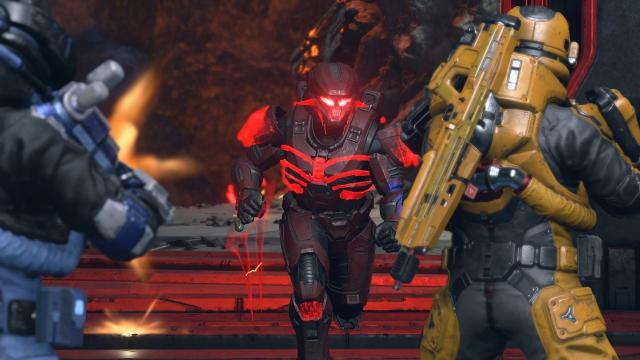
Halo Infinite Axes Season Cutscenes So Devs Can Improve Other Things

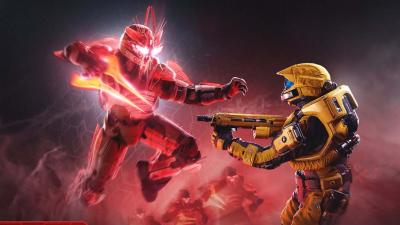
343 Industries has ditched making seasonal cutscenes in Halo Infinite to free up time and space for its devs to work on more important things.
-
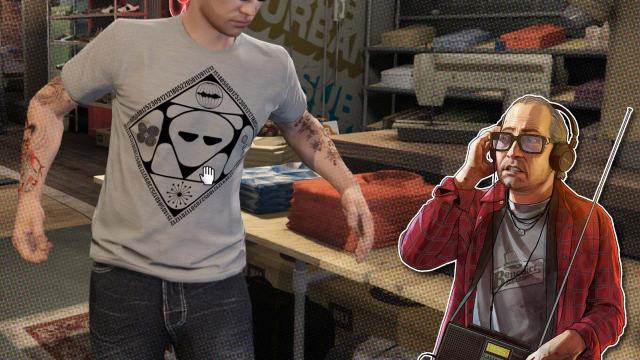
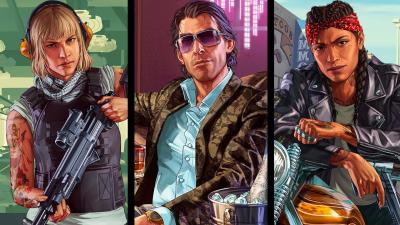
Mysterious New GTA Online Shirt Has Fans Convinced Rockstar Is Teasing GTA 6
1Do you hear that? The faint sound of thousands of Grand Theft Auto fans going wild online over the latest (possible) GTA 6 conspiracy. This time it involves an odd shirt with a coded message that briefly appeared in GTA Online after the latest update. And while the shirt seems to be gone now, the…
-
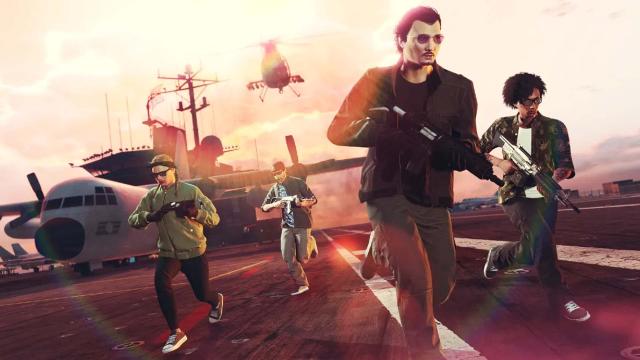
GTA Online’s Next Big Update Will Finally Add A Long-Requested Feature
Rockstar is finally — FINALLY — adding a hold-to-sprint option in GTA Online. No more tapping to sprint! A long-awaited accessibility win.

-
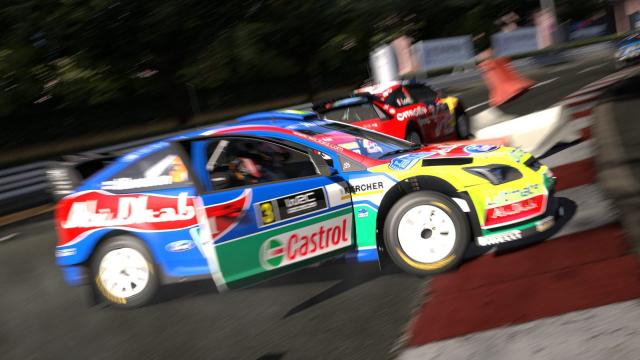
Game Developer Explains Why New Racing Games Suck at Car Damage
“We all know racing games claim to be real,” former NASCAR driver Jason Jarrett once said in a commercial for the PlayStation game bearing his name. The TV ad for 2000’s Jarrett & Labonte Stock Car Racing staged two Audi A4 touring cars side by side — one representing how cars get banged up in…