history
-
In Defence Of ROMs, A Solution To Dying Games And Broken Copyright Laws
 10
10Various game emulation sites are pulling down their software libraries, or ceasing to exist entirely, following a lawsuit filed by Nintendo against one of the largest of their kind. This is hardly tantamount to the erasure of all unauthorised copies of older video games from the internet, but it’s still gotten a lot of folks…
-
Archaeologists Uncover 1700-Year-Old Board Game
A team from the University Museum of Bergen excavatd a site in Norway last month, and among the pots and glass they found there was also something a lot cooler: the remains of a board game dating back 1700 years.
-
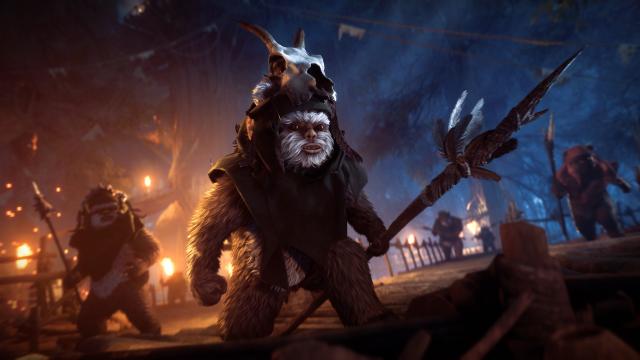
Battlefront 2, From Launch To Its Final Update
The last X-Wing has left the station and the Death Star is shutting down: Star Wars Battlefront II will no longer receive big content updates. While the servers will remain up, the game will not be supported in a major way by Dice or EA moving forward. Released back in November 2017, Battlefront II has…
-
Honouring the Warsaw Uprising With The Developers of WARSAW

Right in the centre of Poland’s capital, Warsaw, the Rondo Dmowskiego streams as busily as London’s Oxford Circus or New York’s Times Square. It is always a bustling intersection of the city but today, with an abundance of vehicles and people careening by, it is an even busier picture.