pro gaming
-
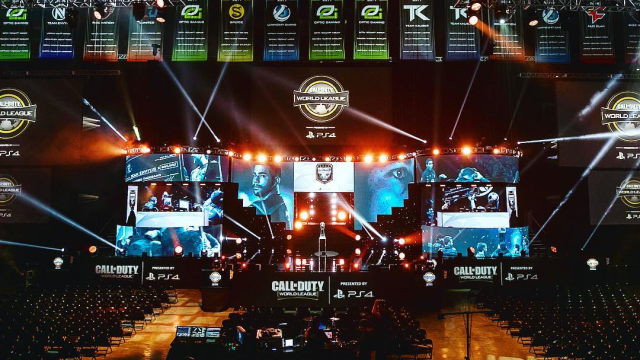
The Weekend In Esports: The Call Of Duty World Championship And Dota 2 International

Stay inside, turn on the heater, and watch gamers pwn one another to your heart’s content over the weekend, because there are a crap ton of high profile esports tournaments going on.



-

New ESports Drug Tests Are Full Of Loopholes
Pro gaming league ESL has decided to start administering tests for performance-enhancing drugs. If they’re serious about it, though, they have still got a lot of work ahead of them.


-

Destiny Players Embarrass Opponents With Gimmick Matches
Watch as a team of Destiny players win matches despite having handicaps. This match, for example? It’s melee only. No shooting. The team still wins. By a lot.


-
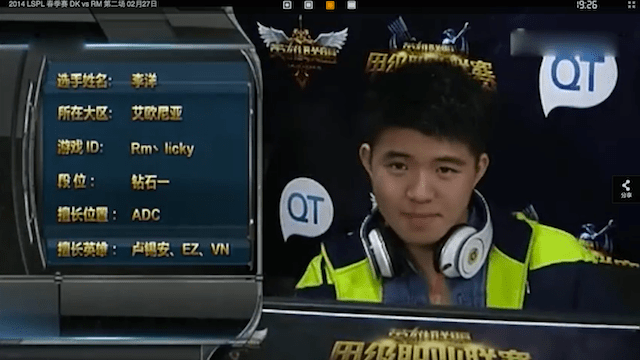
How One Gamer Went From ‘Addict’ To Entrepreneur
For 15 years, a young Chinese man was called a video game addict. He was looked down upon because of his hobby. But now, 15 years later, he’s been vindicated. He’s now an manager for a e-sports club in China.