fun
-
Google ‘Katamari’ Right Now
 2
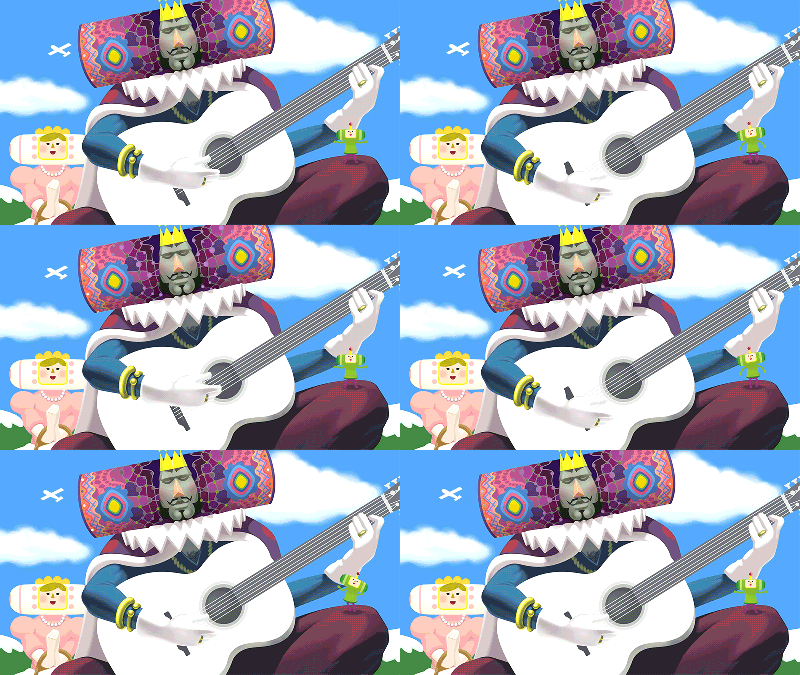
2Do me a favour: Google ‘Katamari’. That’s it. Just google that right now. It’s very, very important. Oh my god, its so important.

-
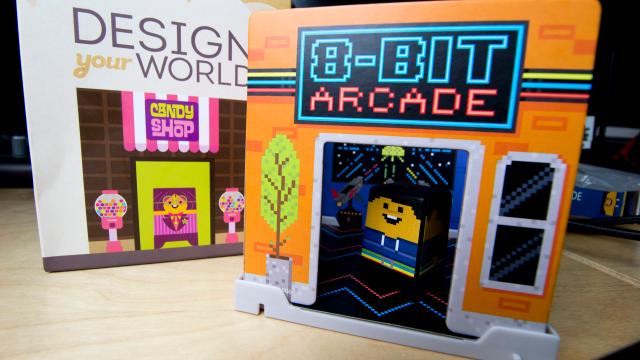
Tiny Cardboard Arcade Is An Awesome Kids’ Meal Toy
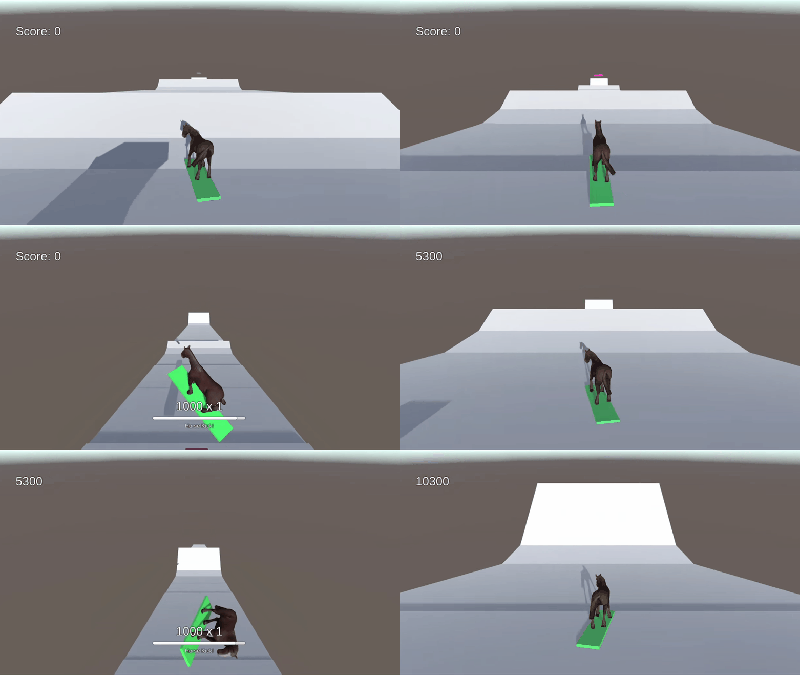
An ill-fated trip through the local Wendy’s drive through yesterday resulted in room temperature fries, the wrong size drink and confirmation of my children’s suspicions that not all chicken nuggets are created equal. But hey, check out this awesome little arcade building set that came in their kid’s meal.

-
A Wild Theory About Toy Story’s Most Hated Character
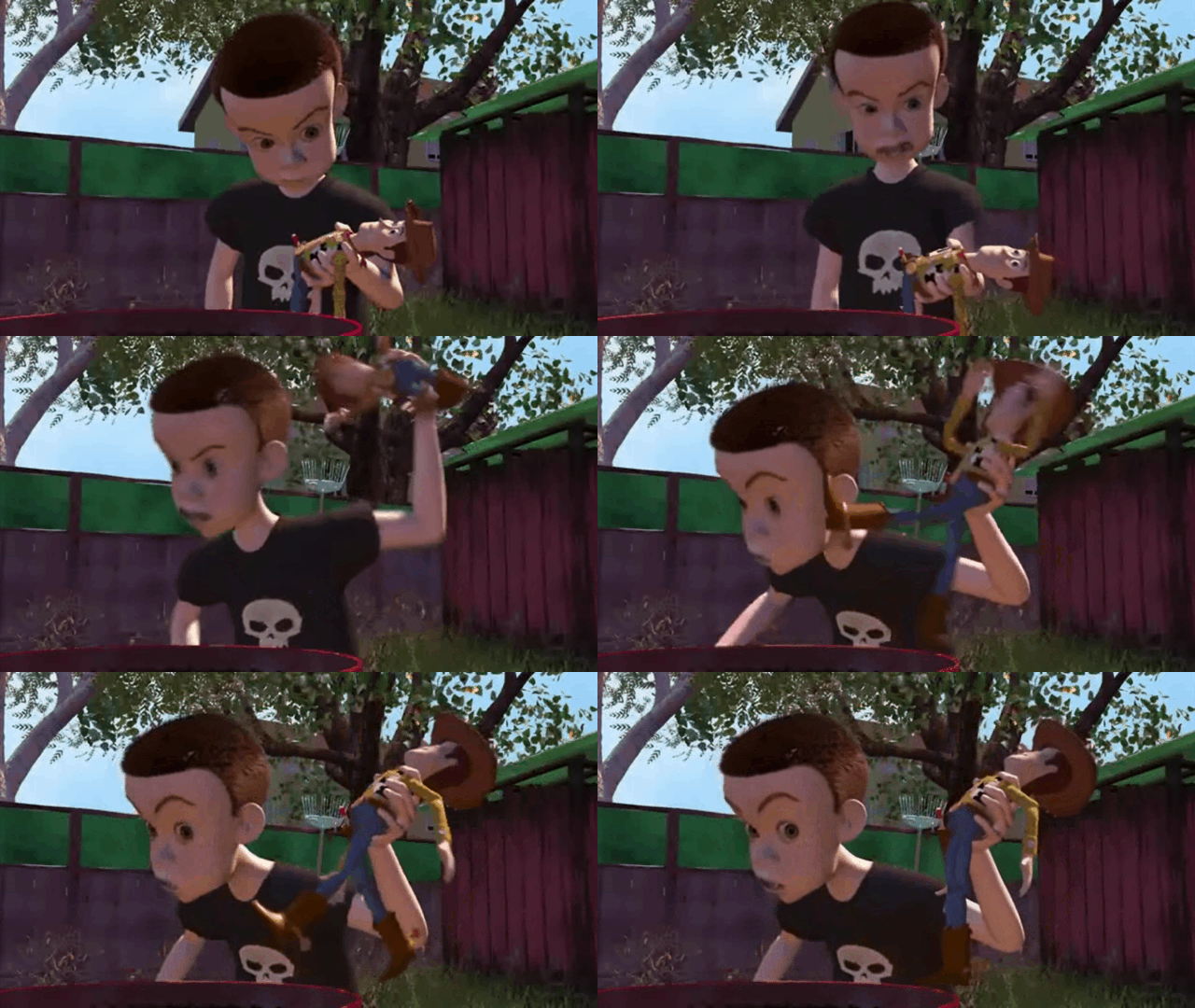
After finishing the first Toy Story, I wouldn’t blame anyone for having zero sympathy for Sid Phillips, Andy’s mean next-door neighbour. Sid tortures his toys and makes them into things resembling abominations, for crying out loud.But what if we got this character all wrong?

-
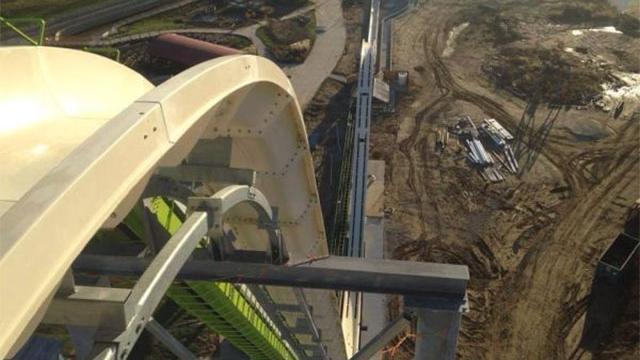
World’s Tallest Waterslide Delayed After Testers Go Airborne
The Schlitterbahn park in Kansas is home to the Verrückt, which when open will be the world’s tallest waterslide. It won’t be open for a little while, though, because it’s been reported that some testers – going at 60-70mph – have been going airborne.